Light Pollution Data
Fun facts and figures about how artificial light is reshaping the night — worldwide and nationally.
Global facts
What is happening to the night sky across the planet.
~10%
brighter each year
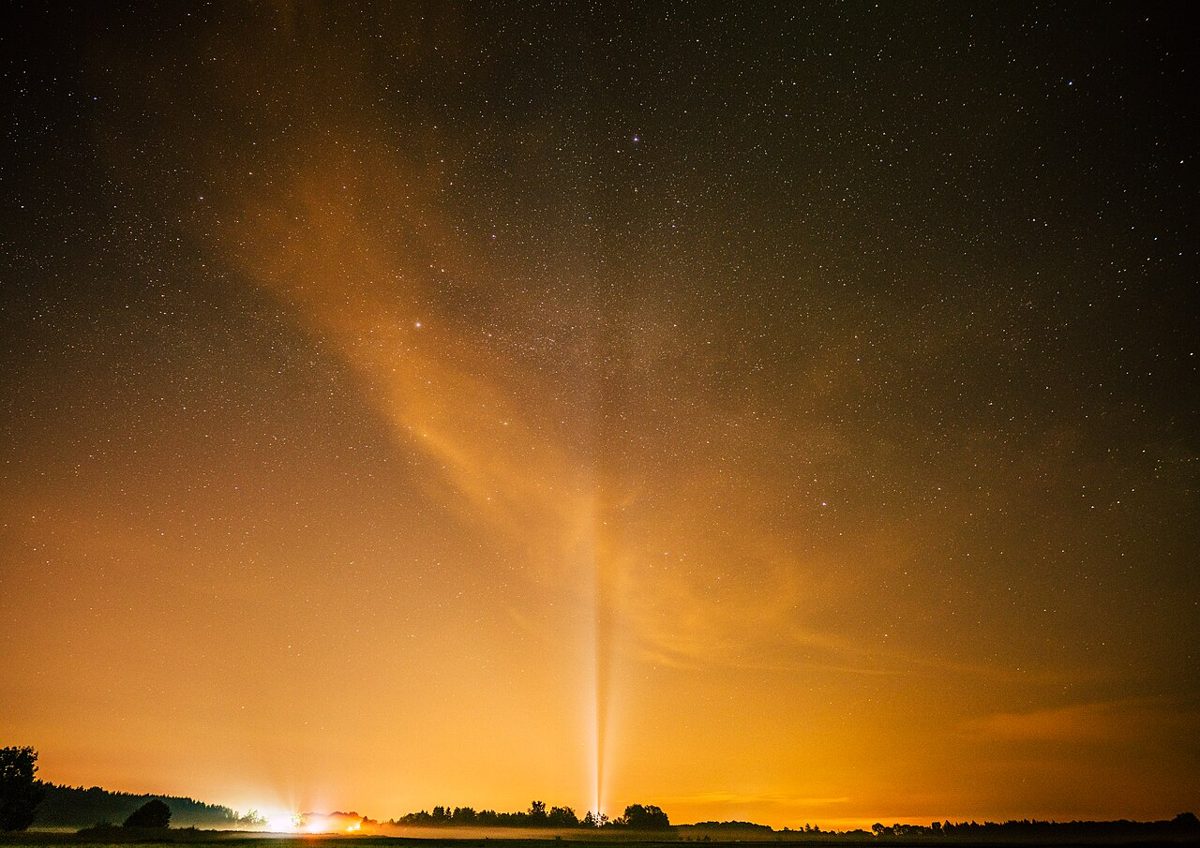
The night sky is brightening by roughly 10% per year in many populated regions — a child born today may see far fewer stars by adulthood.
1 in 3
never see the Milky Way
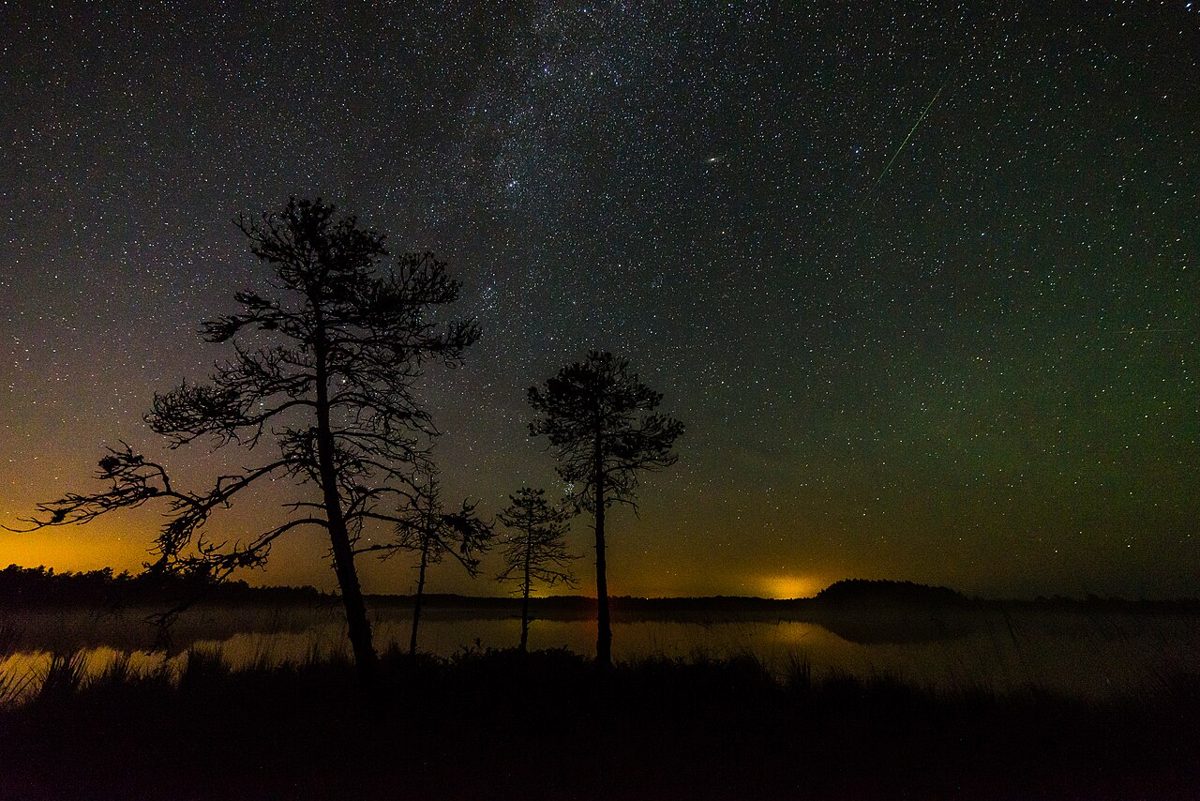
About 80% of the world's population lives under light-polluted skies, and around 1 in 3 people can never see the Milky Way.
+2%
lit area per year
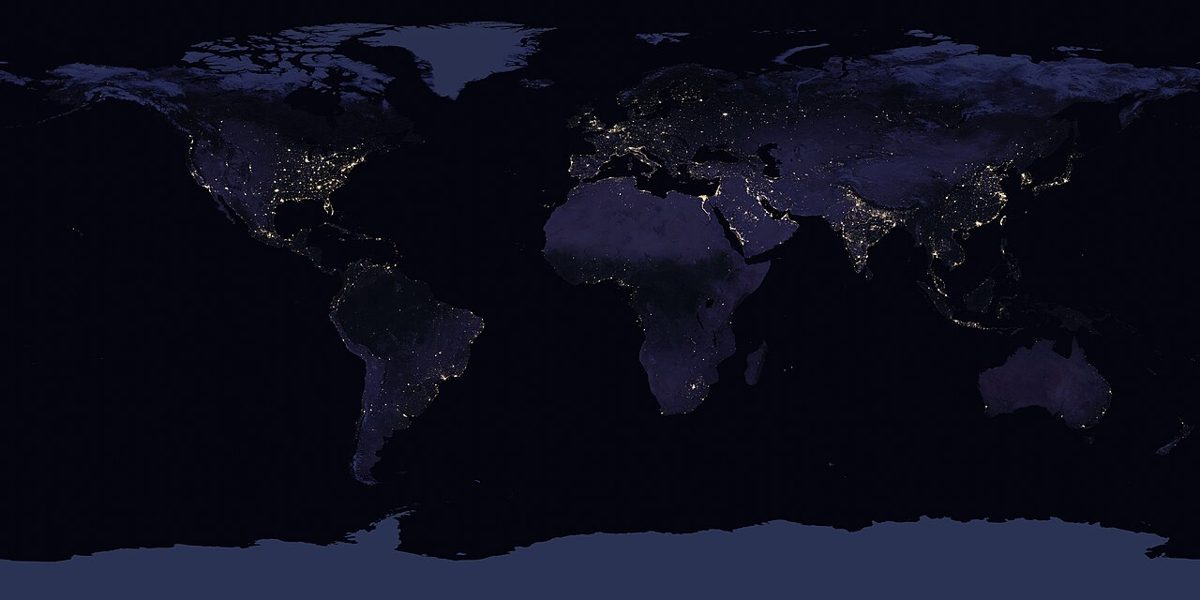
Artificial light at night grew in both extent and brightness by around 2% per year in the 2010s worldwide.
99%
of Europe & North America
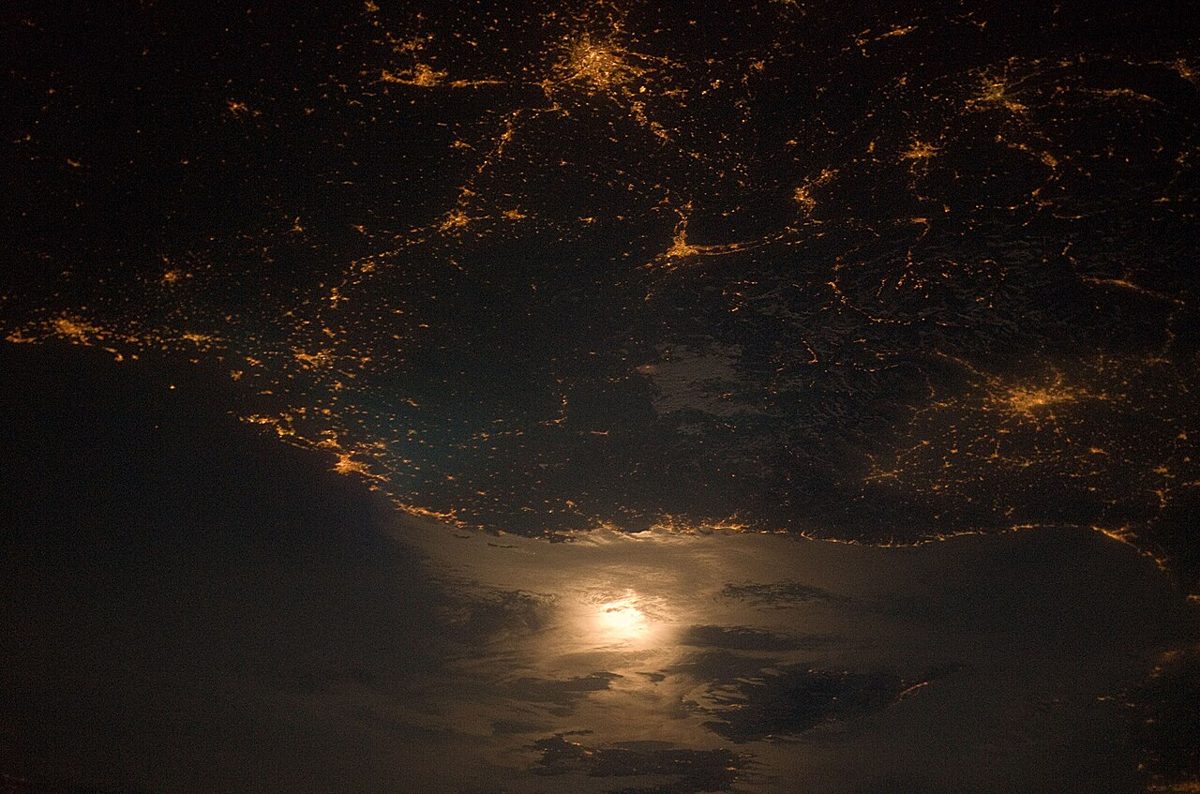
Roughly 99% of people in Europe and North America live under skies brighter than the natural night.
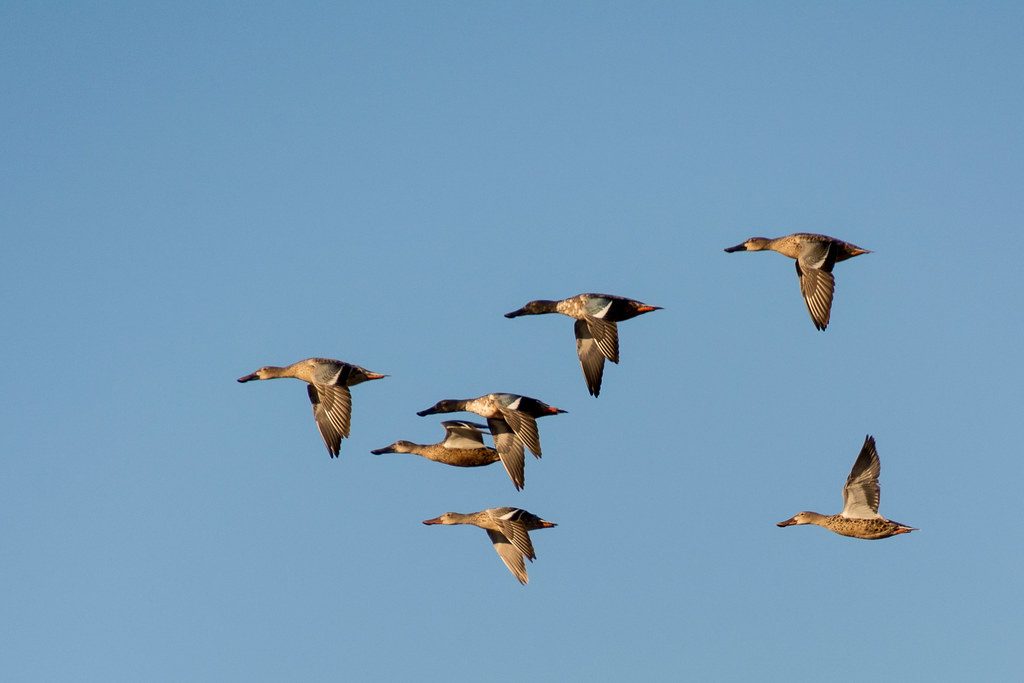
Billions
of migrating birds
Billions of migrating birds navigate by stars; bright cities pull them off course and cause mass window collisions each year.
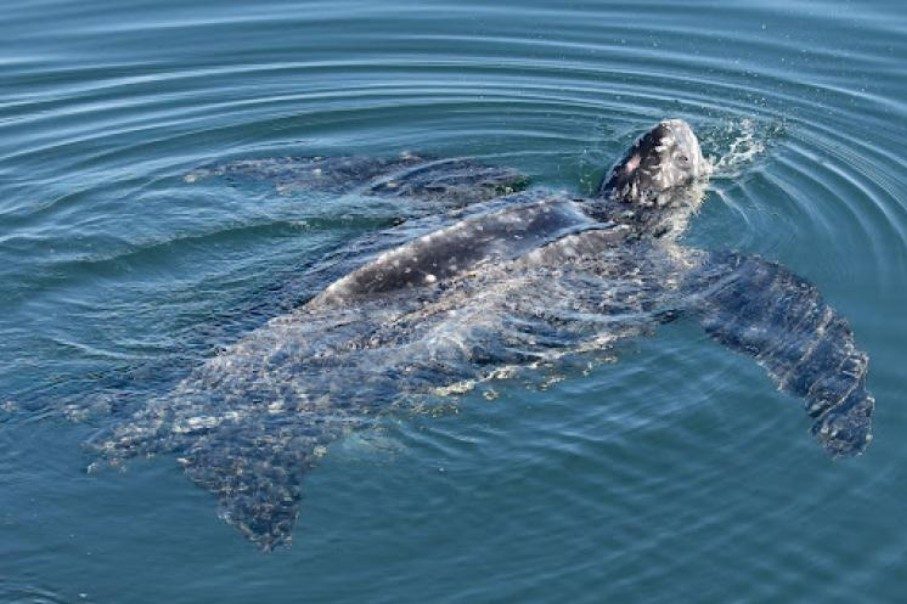
Wrong way
for hatchlings
Sea turtle hatchlings crawl toward the brightest horizon — beachfront lighting sends them inland instead of to the ocean.
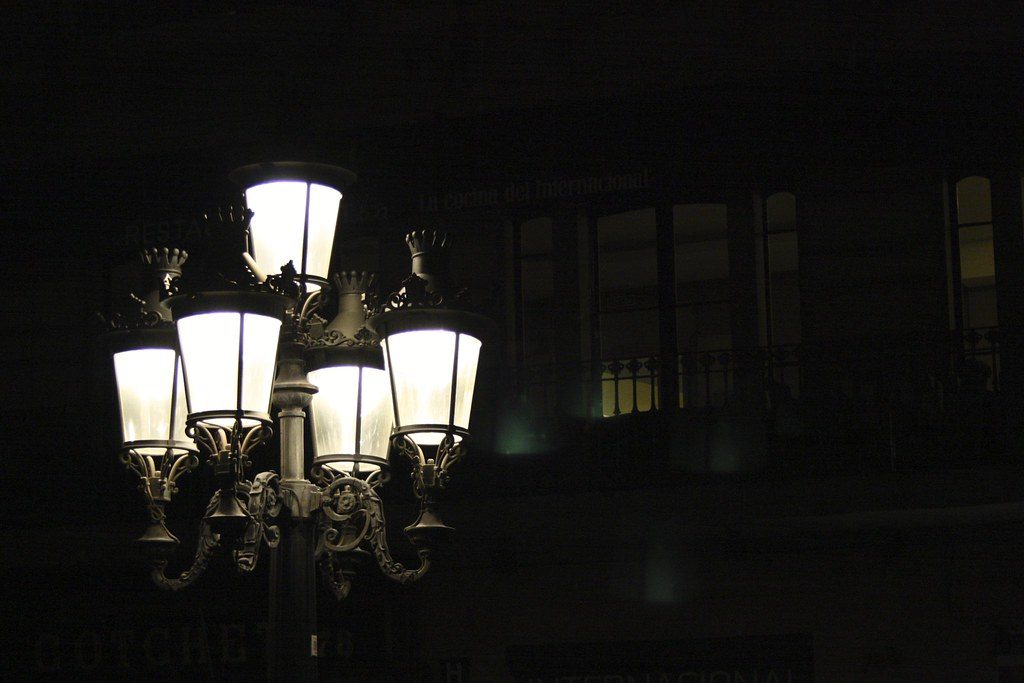
Blue light
scatters the most
Blue-rich LED light scatters most in the atmosphere, so the switch to cool white LEDs made skyglow worse even where energy use fell.
National facts (United States)
How much light the US sends into the sky — and what it costs.
30%
of outdoor lighting is wasted
Roughly 30% of outdoor lighting in the United States is wasted by shining upward or sideways instead of on the ground.
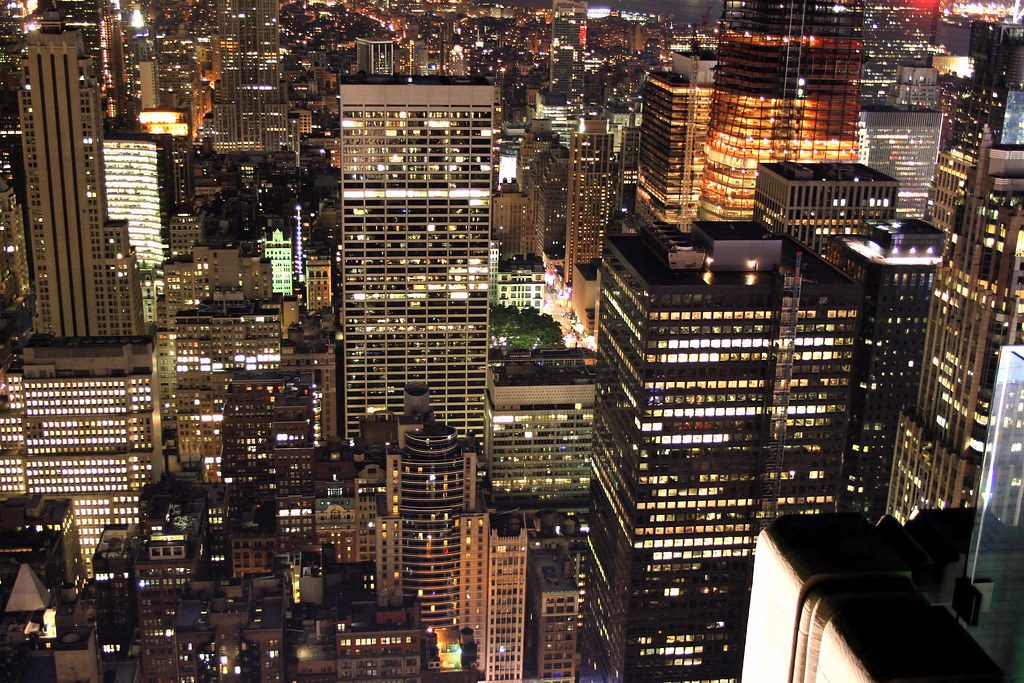
$3B
wasted every year
That wasted light costs the US roughly $3 billion each year, along with about 21 million megawatt-hours of electricity.
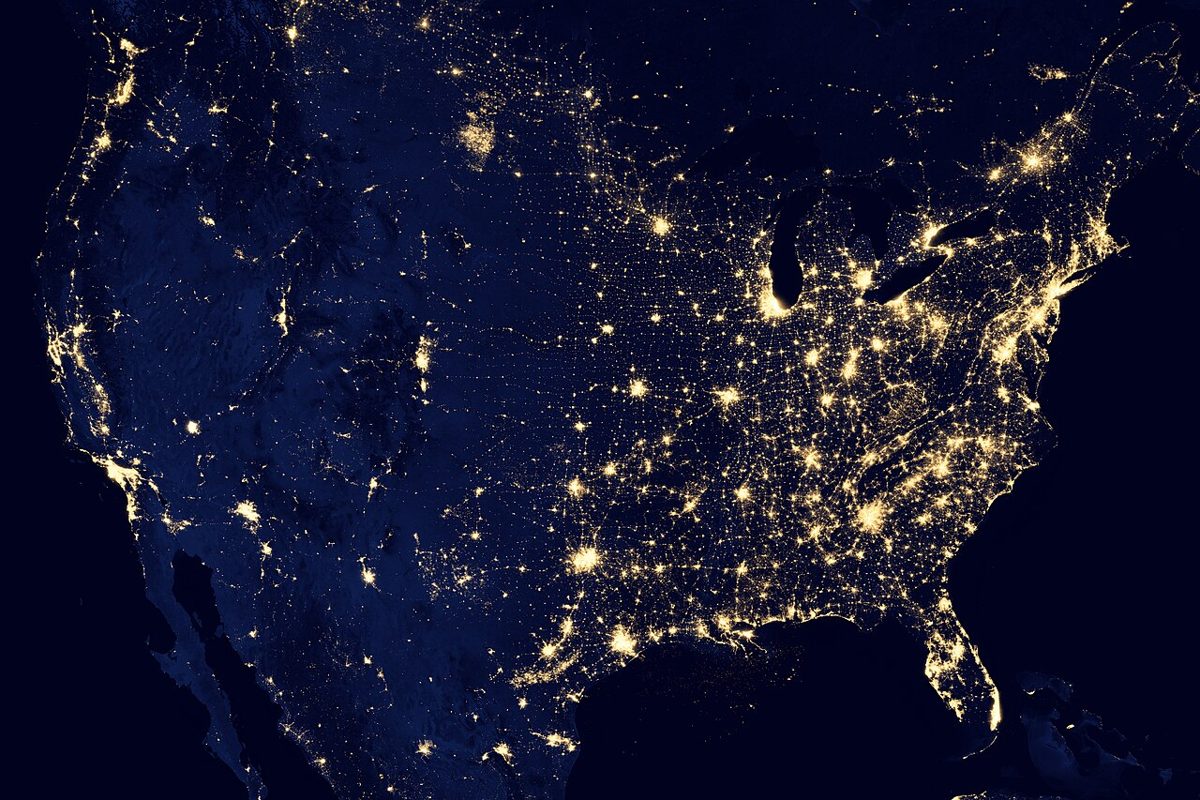
99%
of the continental US
Roughly 99% of the continental US population lives under skies too bright to be considered naturally dark.
80%
have never seen the Milky Way
About 80% of North Americans have never seen the Milky Way with their own eyes.
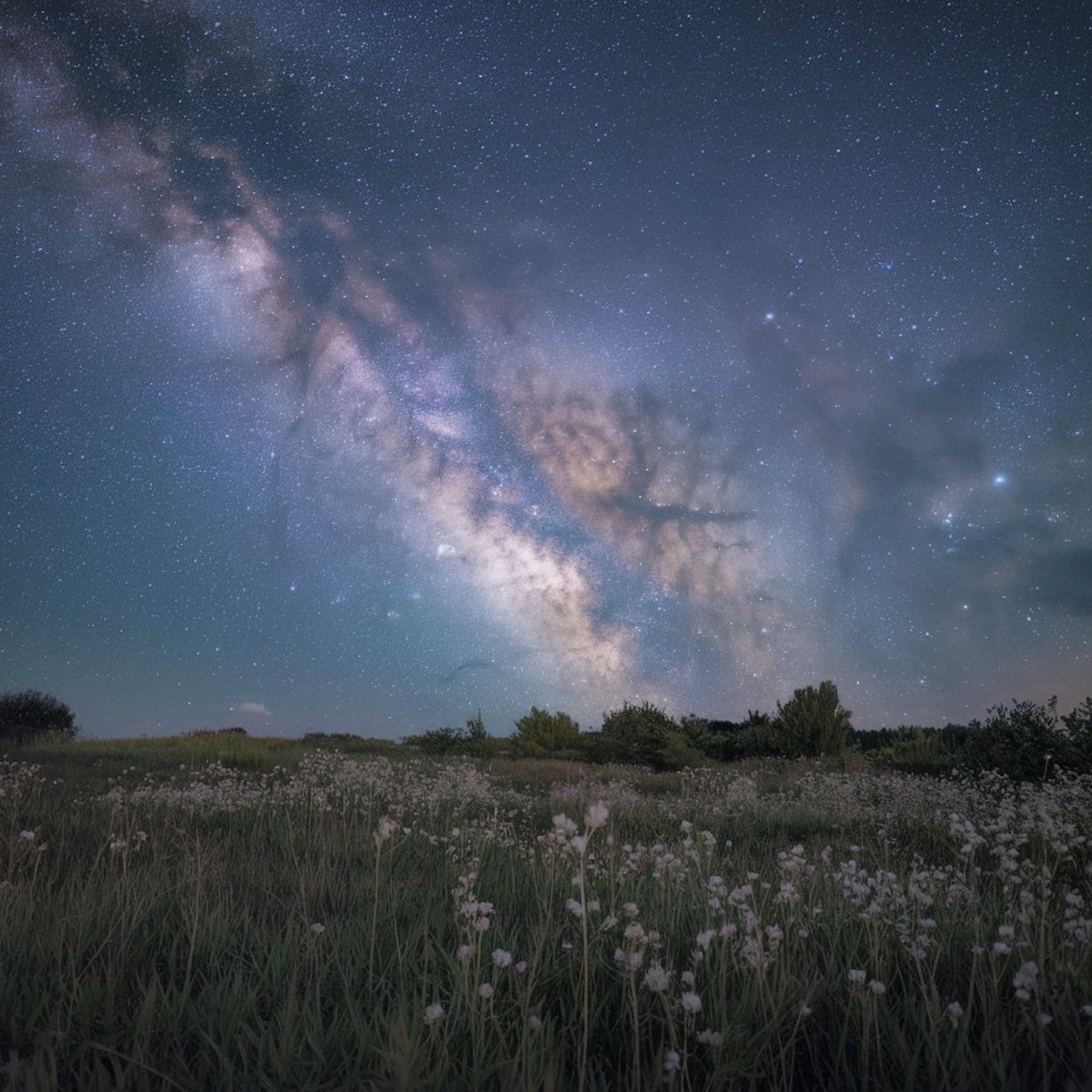
A handful
of states still have dark skies
Only a handful of US states still hold large regions of pristine dark sky, mostly the Mountain West and desert Southwest.

200+
certified Dark Sky Places
More than 200 certified International Dark Sky Places exist worldwide, and the US holds the largest share of them.
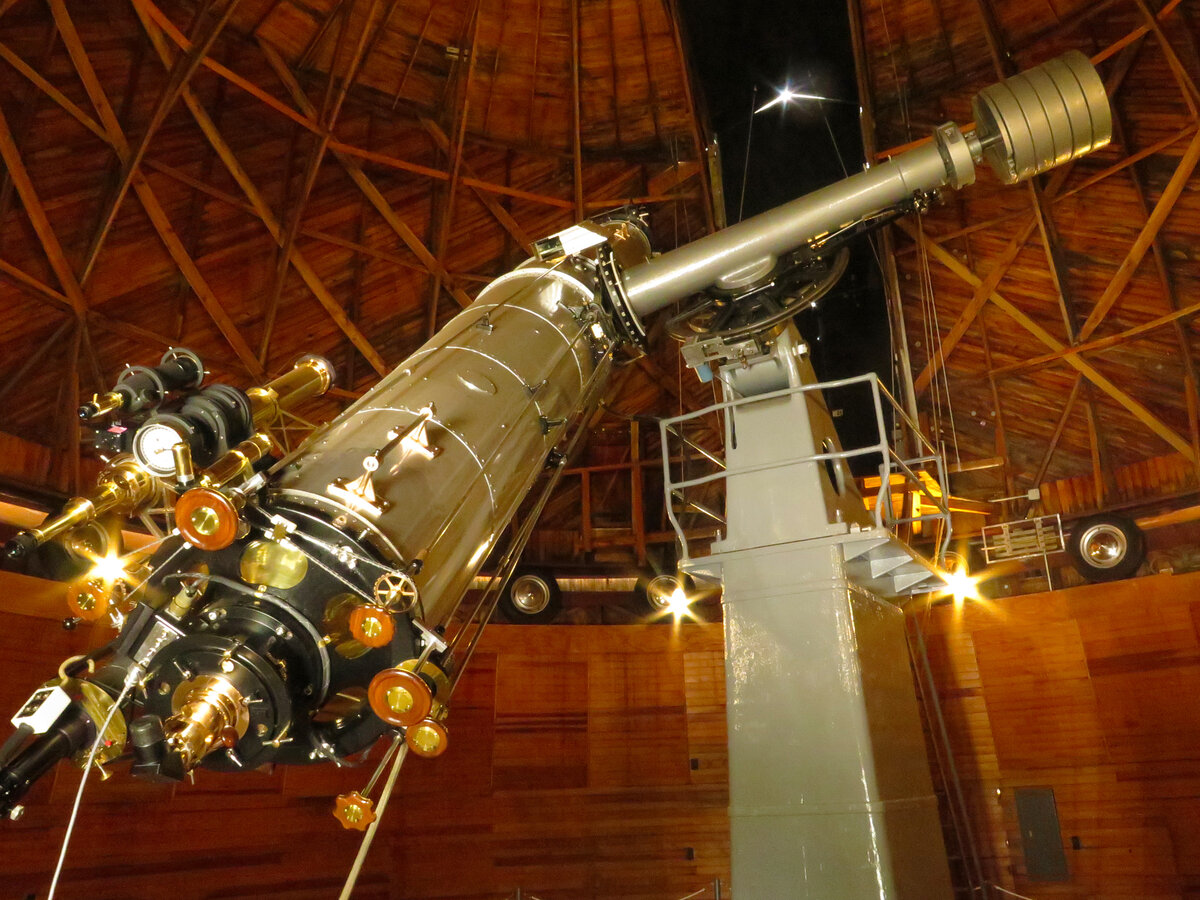
Flagstaff
first Dark Sky City
Flagstaff, Arizona became the world's first Dark Sky City, cutting skyglow with shielded fixtures and curfews without reducing safety.