LightOff
Turn down the lights, turn up the stars.
Around 80% of people on Earth can no longer see the Milky Way from home.
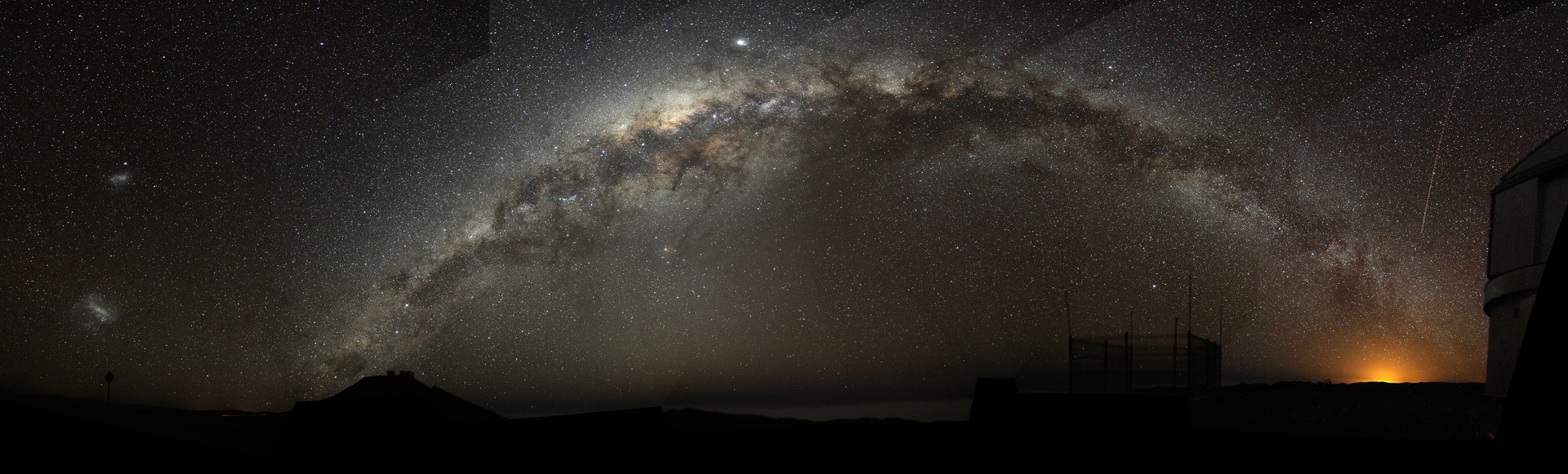
The Crisis
Light pollution is the excessive or misdirected artificial light produced by human activity.
It brightens the night sky, washes out stars, and spills into places where it is not needed. It is more than just losing the stars; it is a disruption of the natural rhythms that have guided life on Earth for billions of years. From urban skyglow to glaring streetlights, our nights are disappearing.
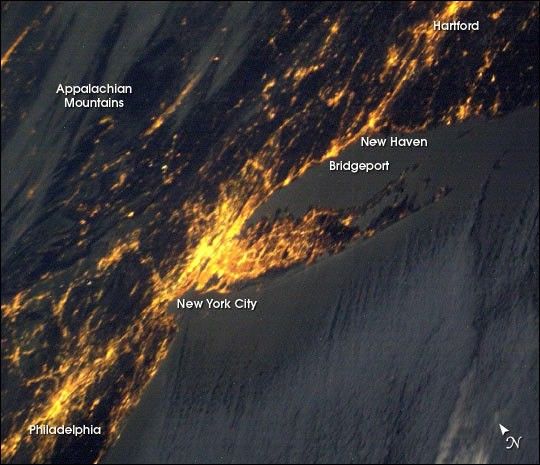
Heavy light pollution
New York City
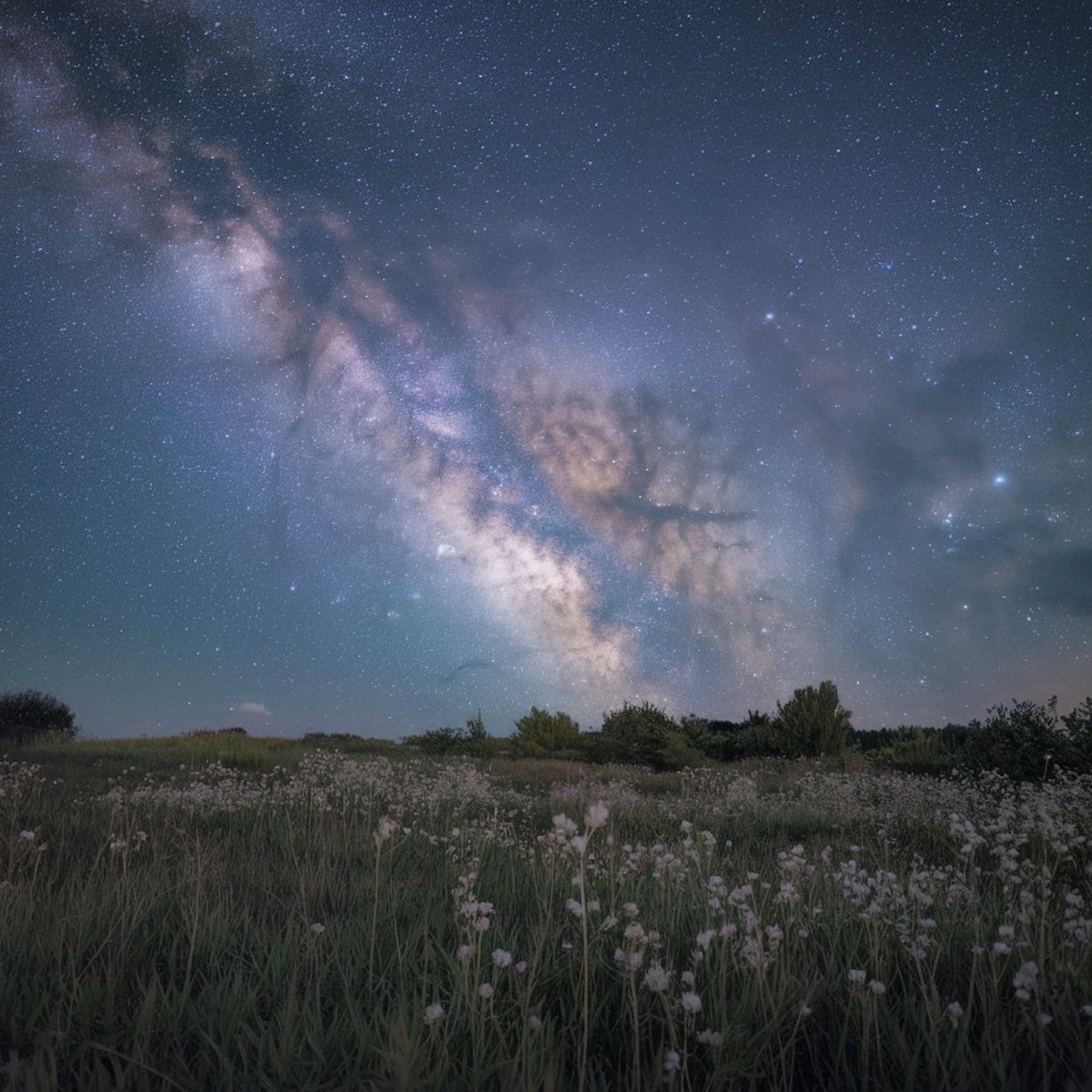
Little to no light pollution
Dark-Sky Preserve
The Silent Impact
Giving it attention matters because it does not only hide the stars. It also disrupts our sleep cycles and confuses nocturnal animals that depend on darkness to hunt, migrate, and rest.
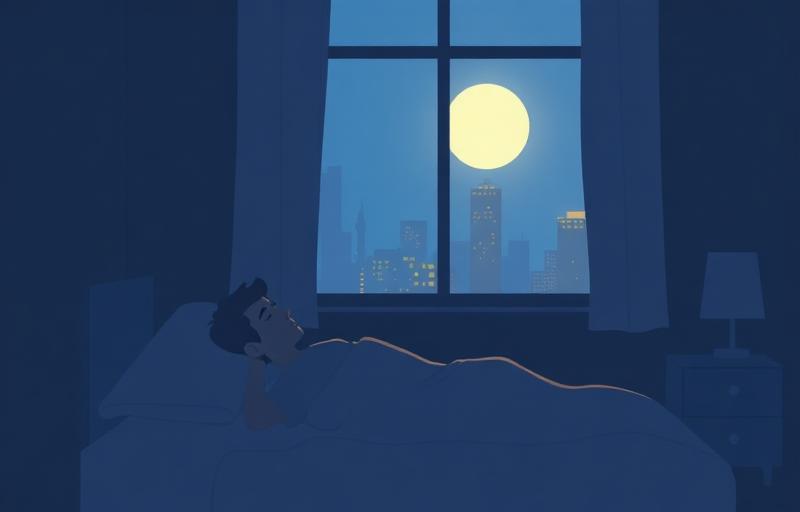
Human Health
Artificial light at night can suppress melatonin and make it harder to fall asleep, leaving us tired and less focused.
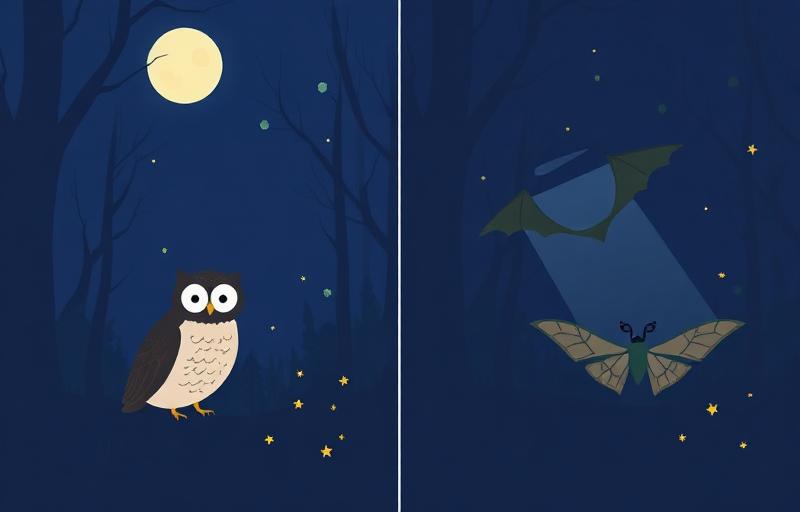
Nocturnal Wildlife
Owls, bats, and moths rely on darkness. When nights stay bright, their hunting and pollination patterns break down, and we lose the natural insect control they provide.
Is your city
losing the night?
How much do you contribute to light pollution? Take the quiz to find out.