Dark Sky Guide
Tips anyone can follow to cut light pollution — start at the top and work down.
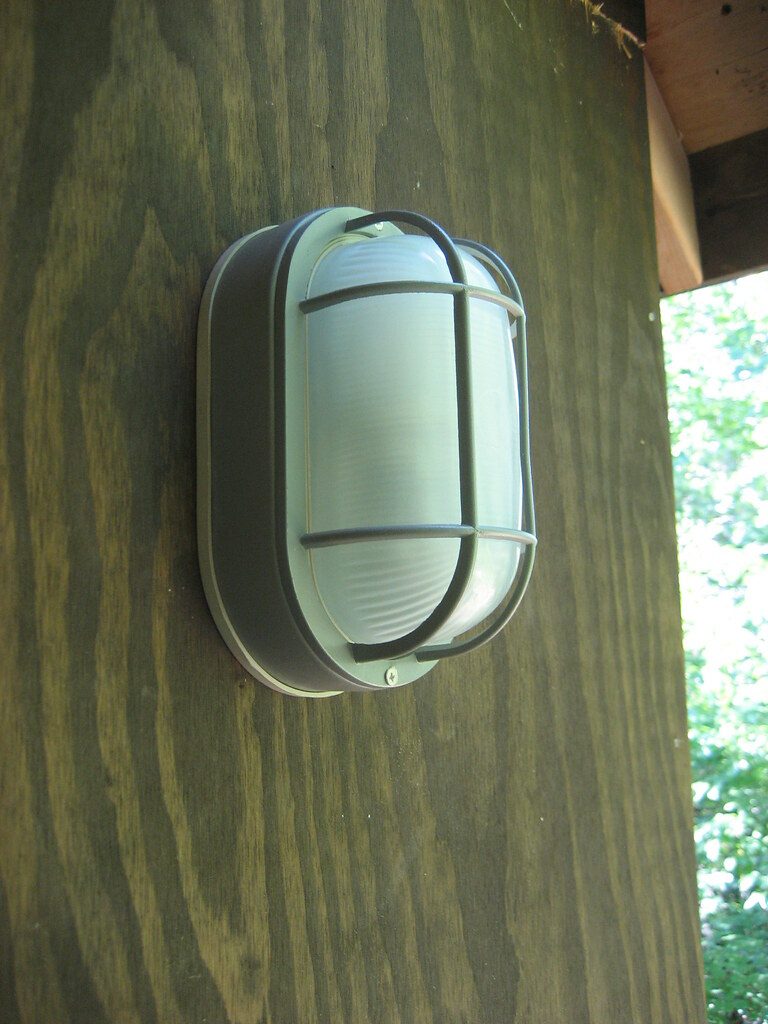 Step 1
At home tonight
Things you can do in the next five minutes, with no shopping needed.
- Switch off any outdoor light that nobody is using right now.
- Close curtains and blinds after dark to stop indoor light spilling outside.
- Turn decorative and landscape lighting off after a set hour.
- Dim screens and porch lights instead of running everything at full brightness.
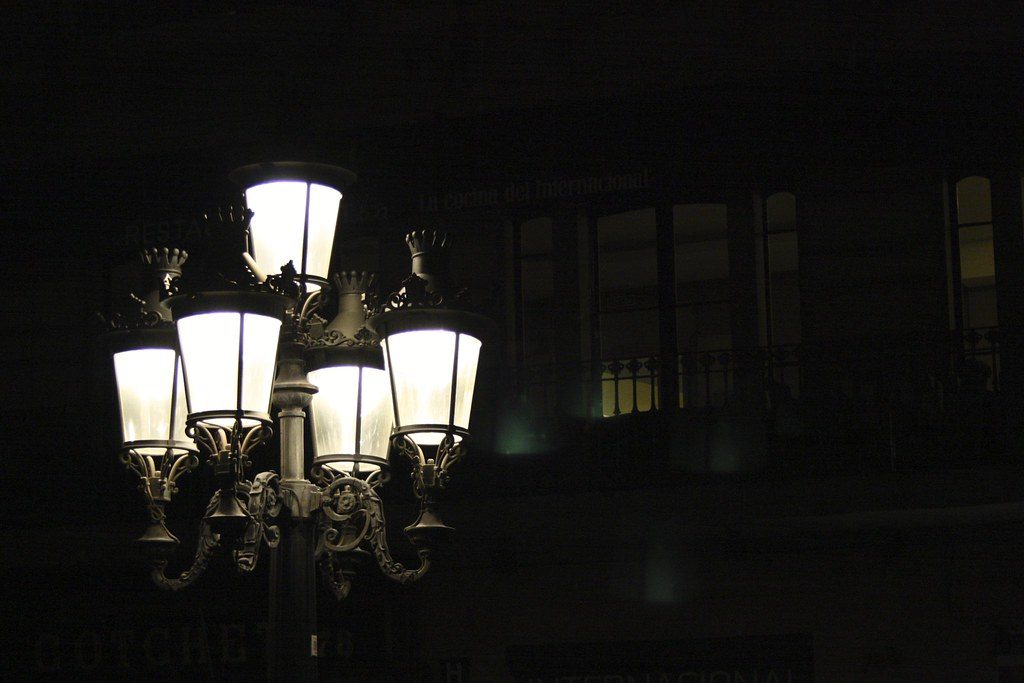 Step 2
Upgrade your fixtures
When a bulb or lamp needs replacing, choose the dark-sky friendly version.
- Choose fully shielded fixtures that direct all light downward.
- Use warm bulbs at 2700K or lower — amber is best for wildlife and skyglow.
- Pick the lowest brightness that does the job; more lumens rarely means more safety.
- Never aim uplights at trees, flags, or walls where the beam escapes into the sky.
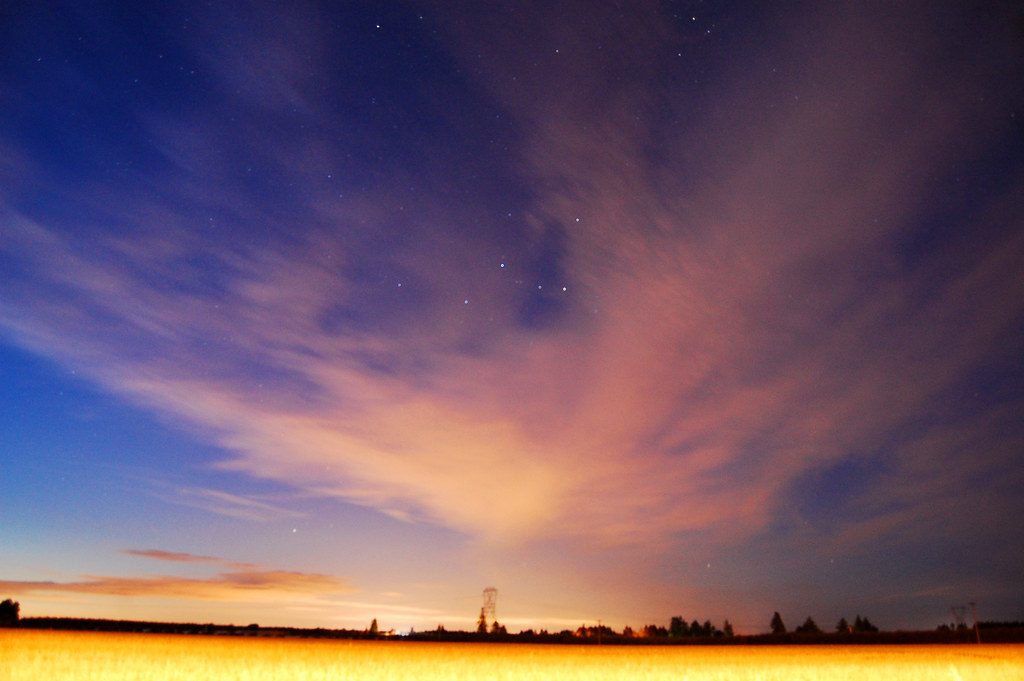 Step 3
Automate the dark
Let sensors and timers remember so you do not have to.
- Fit motion sensors on security and garage lighting instead of leaving it on all night.
- Add timers or dusk-to-midnight controls rather than dusk-to-dawn.
- Use dimmers so paths and patios can run at low output most of the evening.
- Check your settings seasonally — timers drift as sunset shifts.
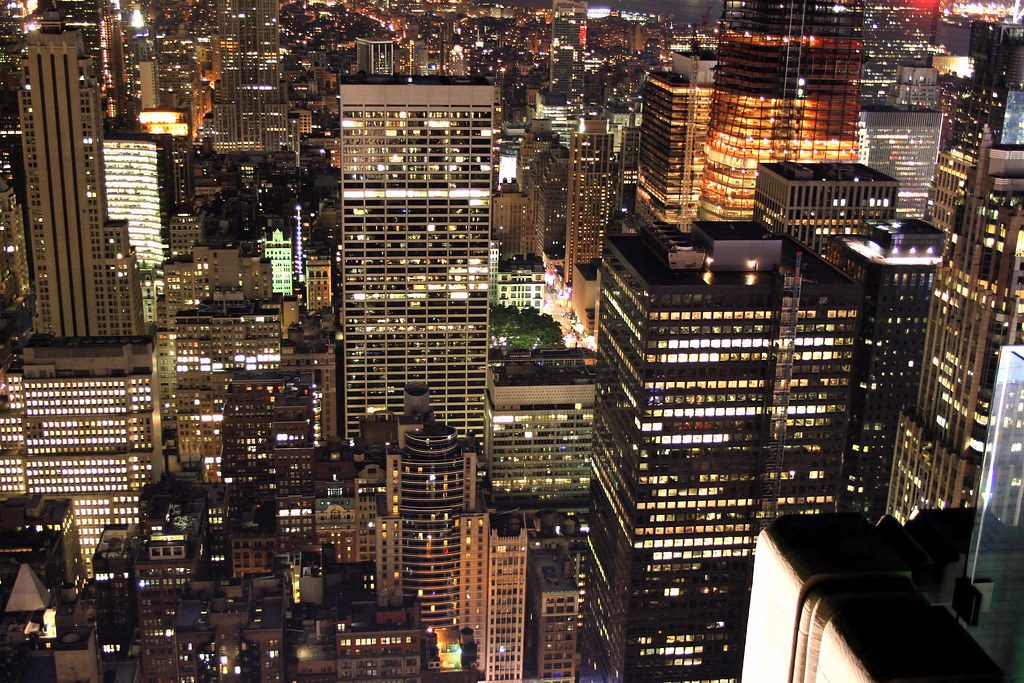 Step 4
In your community
The biggest wins are shared ones: streets, schools, and parking lots.
- Ask your school, workplace, or landlord about shielding parking-lot and sign lighting.
- Support local lighting ordinances with curfews, shielding rules, and colour-temperature limits.
- Report broken or misaimed streetlights to your municipality — many are simply pointed wrong.
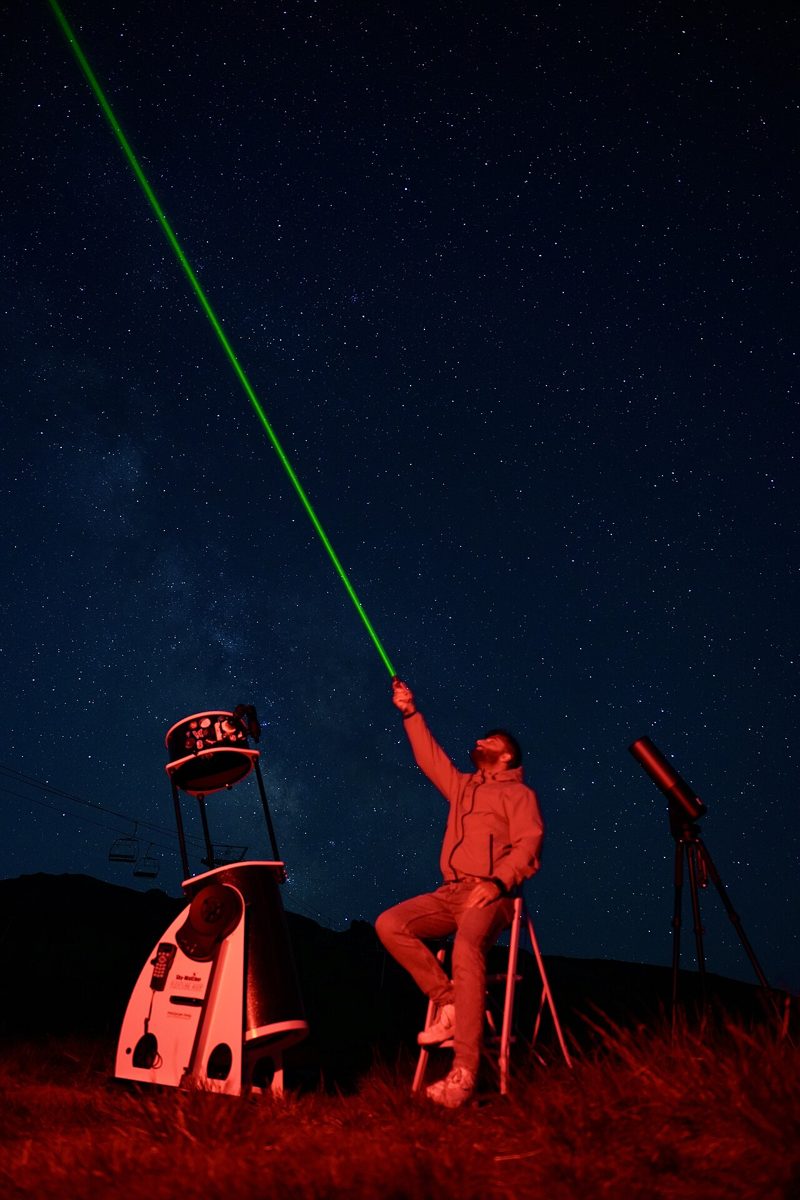
- Organise a star party or lights-out night so neighbours can see what they are missing.
 Step 5
Keep learning and contributing
Measure it, see it, and pass it on.
- Log sky brightness with citizen-science projects like Globe at Night to build the public record.
- Visit a certified Dark Sky Place to see a natural night sky for comparison.
- Share what you learn — most excess lighting exists out of habit, not need.