Back home

Light pollution & human health

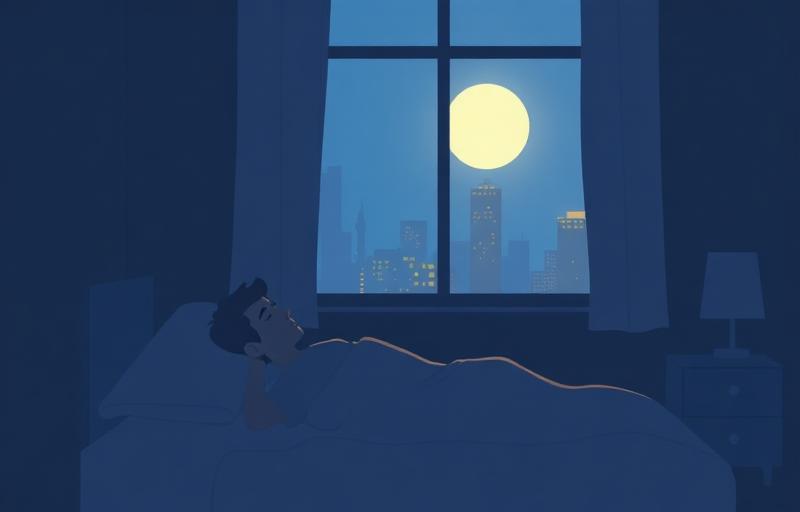
Person in bed with bright city light streaming through the window

Why it happens

Your body keeps time with light. Special cells in your eyes measure how bright the world is and tell your brain whether it is day or night. They are most sensitive to blue-white light, the exact colour most LED bulbs, streetlights and screens give off.

When that light reaches you after sunset, your brain delays releasing melatonin, the hormone that makes you feel sleepy. So you fall asleep later, sleep more lightly, and wake up less rested — even if you spent the usual eight hours in bed.

Over months and years, repeatedly shifted sleep is linked to daytime fatigue, trouble concentrating, low mood, and higher risk of metabolic and heart problems. The good news: the effect depends on how much light reaches your eyes, which is something you can actually control.
How to reduce it, step by step

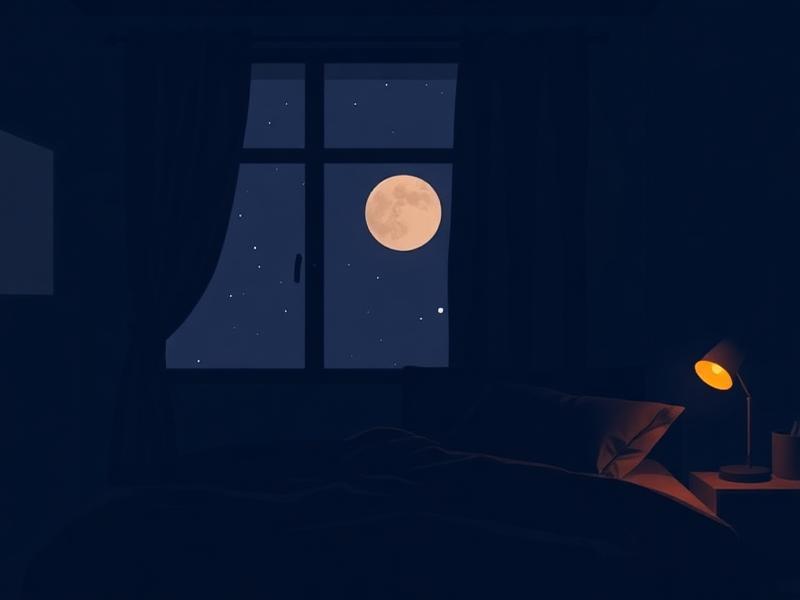
Dark bedroom with blackout curtains and a warm bedside lamp

Step 1. Make your bedroom genuinely dark

  • Hang blackout curtains or a blind that covers the whole window frame, not just the glass — spill around the edges is what usually keeps a room bright.
  • Cover or unplug small glowing devices: chargers, TV standby lights, air purifiers. A strip of electrical tape works.
  • If you need light to move around safely, use a dim red or amber night-light near the floor. Red light barely affects melatonin.
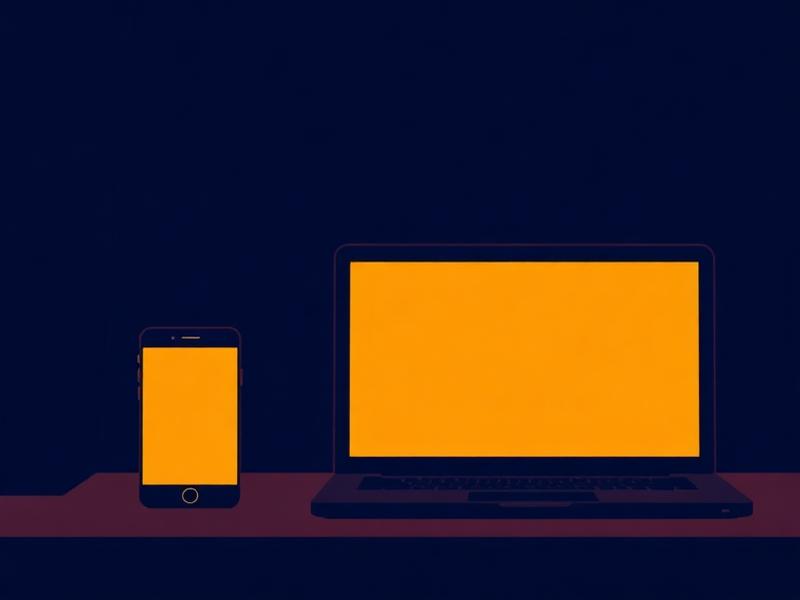
Phone and laptop screens glowing dim warm amber in a dark room

Step 2. Dim and warm your screens after sunset

  • Turn on Night Shift / Night Light / warm mode on your phone and laptop and schedule it from sunset to sunrise.
  • Drop screen brightness to the lowest level you can still read comfortably — brightness matters more than colour.
  • Aim for the last 30–60 minutes before bed with no bright screens at all; read on paper or use an e-reader with the backlight off.
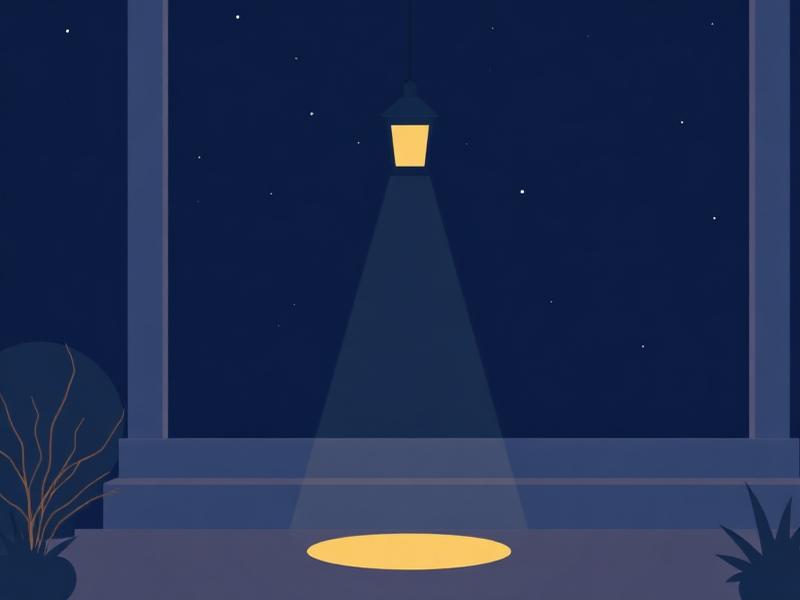
Shielded porch lantern casting a small pool of warm light on a doorstep

Step 3. Fix the lights outside your window

  • Swap bare bulbs and floodlights for fully shielded fixtures that point downward, so light lands on the path instead of your bedroom.
  • Choose warm bulbs (2700K or lower) at the lowest brightness that still feels safe.
  • Put outdoor lights on a motion sensor or timer so they are dark for most of the night.
  • If the problem light belongs to a neighbour or the street, ask politely and offer the shield idea — most people simply never thought about it.