Back home

Light pollution & nocturnal wildlife

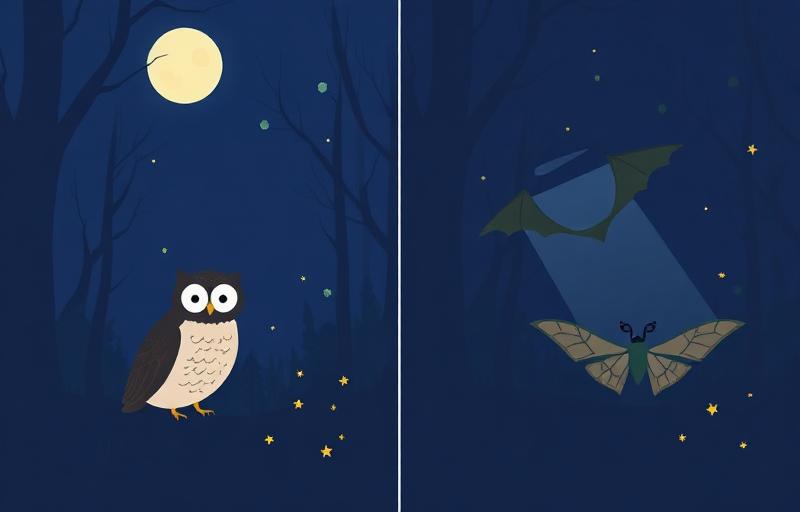
Owl, bat, and moth in a night forest disturbed by artificial light

Why it happens

Nocturnal animals evolved with only the moon and stars for light, so their senses are tuned to almost total darkness. Artificial light is thousands of times brighter than moonlight, and it overwhelms the cues they navigate and hunt by.

Moths and many other insects steer by distant light. A lamp tricks them into circling it until they are exhausted or eaten, so they never reach the flowers they were supposed to pollinate. Fireflies, which signal with their own glow, simply cannot be seen by mates in a lit yard.

Bats and owls hunt by stealth in the dark; bright zones become areas they avoid entirely, shrinking their feeding grounds. Because a single bat can eat thousands of insects a night, losing them means losing free, natural insect control — including mosquitoes and crop pests.

Light also misleads migrating birds into cities and hatchling sea turtles away from the ocean, and it makes frogs stop calling for mates. Almost all of this reverses quickly once the light goes away.
How to reduce it, step by step

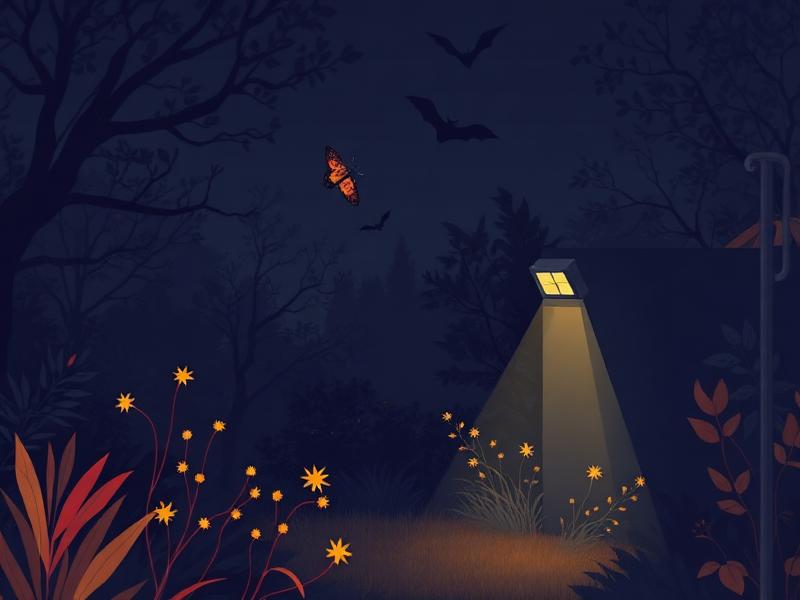
Dark garden at night with bats, a moth and glowing wildflowers

Step 1. Keep the garden dark by default

  • Treat outdoor light as something you switch on when needed, not something that stays on. A motion sensor set to 1–5 minutes covers safety without lighting the whole night.
  • Leave one unlit corner — a hedge, log pile or patch of long grass. Insects gather there and the animals that eat them follow.
  • Never light ponds, trees or hedges directly. Water and foliage are where moths, frogs and roosting birds are most vulnerable.
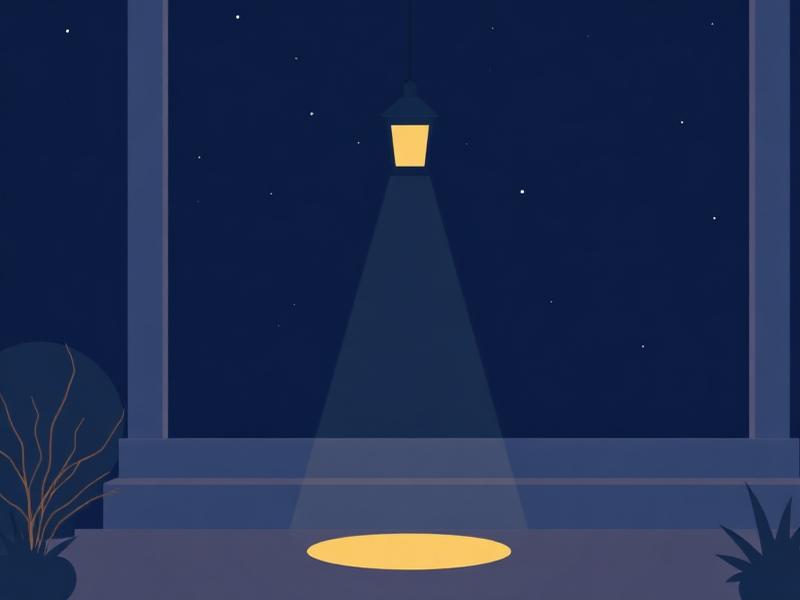
Shielded porch lantern casting a small pool of warm light downward

Step 2. Shield and warm every fixture you keep

  • Use fully shielded fixtures so no light escapes sideways or upward — that stray light is what draws insects away from plants.
  • Choose warm bulbs at 2700K or, better, amber ones. Blue-white light attracts and traps far more insects.
  • Turn brightness down. A dim path light guides you just as well as a floodlight and disturbs far less.
  • Skip decorative uplighting on walls and trees, or switch it off by 11pm.
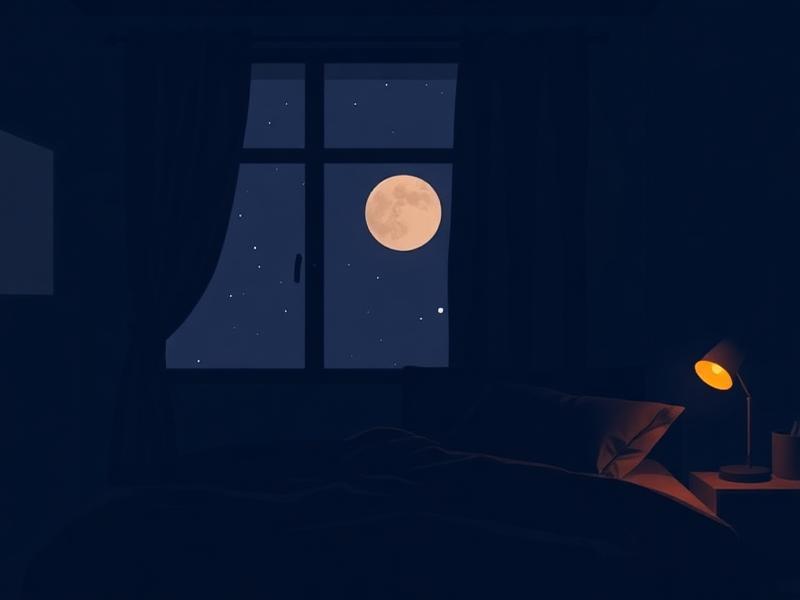
Bedroom with curtains drawn so light does not spill outside

Step 3. Stop indoor light from leaking outside

  • Close curtains and blinds at night — a lit window is a beacon for migrating birds and insects.
  • Turn off rooms you are not using, especially upstairs windows and glass doors facing a garden or field.
  • During spring and autumn bird migration, keeping windows dark genuinely reduces collisions with buildings.